


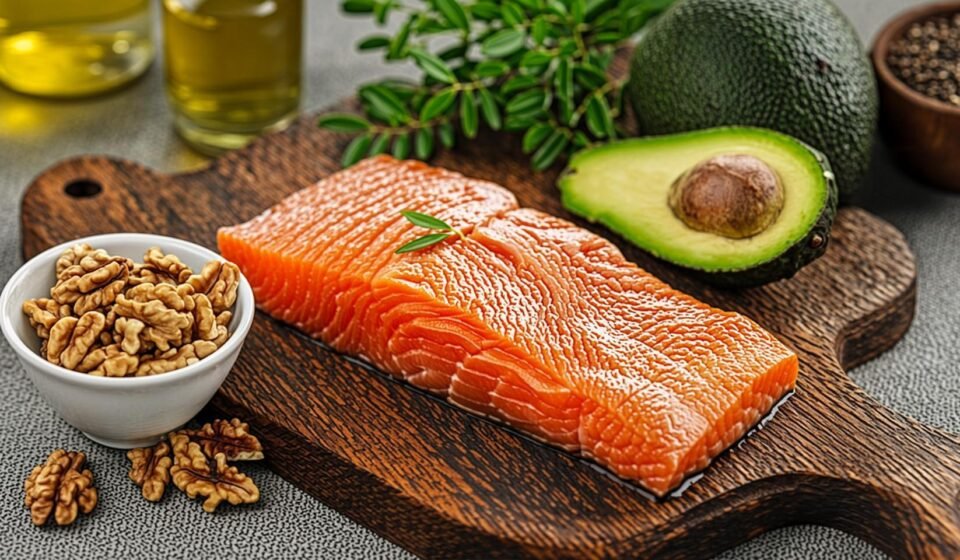
Omega-3 Diets: Brain, Heart, and Beauty Power – Proven by Science

In the ever-changing landscape of diet and nutrition, there is one nutrient that has remained at the forefront of research, expert advice, and actual outcomes – Omega-3 fatty acids. Whether you are looking to improve your concentration, boost your cardiovascular system, give your skin that radiant glow, or simply live a longer life, an omega-3 fatty acid diet can be a life-changing experience.
Table Of Content
- What Are Omega-3 Fatty Acids?
- There are three kinds of omega-3 fatty acids
- ALA (Alpha-Linolenic Acid)
- EPA (Eicosapentaenoic Acid)
- DHA (Docosahexaenoic Acid)
- Omega-3 for Brain Health
- Key Benefits for the Brain
- Improves Memory and Concentration
- Supports Mood Stability
- May Reduce Cognitive Decline
- Supports Child Brain Development
- Omega-3 for Heart Health
- How Omega-3 Works for Heart Health
- Triglyceride Levels
- Inflammation
- Blood Pressure
- Healthy Cholesterol Levels
- Prevents Irregular Heartbeat
- Omega-3 for Beauty & Skin
- Beauty Benefits Include
- Deep Skin Hydration
- Anti-Aging Support
- Acne & Redness Reduction
- Stronger Hair & Nails
- Additional Whole-Body Benefits
- More Whole Body Benefits
- Here are the best food sources to add to your diet
- Plant Sources (Rich in ALA)
- Other Healthy Fat Sources
- How Much Omega-3 Do You Need?
- Sample One-Day Omega-3 Meal Plan
- Breakfast
- Lunch
- Snack
- Dinner
- Signs You May Be Low in Omega-3
- Omega-3 and Inflammation: Why It Matters
- Should You Take Supplements?
- Why It’s More Important Than Ever Omega-3 in 2026
- Daily Routine to Maximize Omega-3 Benefits
- Conclusion: Small Nutrient, Big Impact
Unlike the latest diet trends that come and go, omega-3 fatty acids have been the subject of scientific research for decades. Ranging from improving your cardiovascular system to boosting your cognitive function and even giving you the radiant glow of youth, the role of omega-3 fatty acids in your life cannot be overstated.
In this article, we will take a closer look at how omega-3 fatty acids work, why your body needs them, and how you can incorporate them into your lifestyle.
What Are Omega-3 Fatty Acids?
Omega-3 fatty acids are a type of polyunsaturated fat that your body can’t produce by itself, so you have to get them from the foods you eat.
There are three kinds of omega-3 fatty acids:
ALA (Alpha-Linolenic Acid)
- Occurs in plant-based foods
- Also found in flaxseeds, chia seeds, walnuts
- Converted in low amounts to EPA and DHA
EPA (Eicosapentaenoic Acid)
- Primarily found in fatty fish
- Aids in heart health
- Also helps in reducing inflammation
DHA (Docosahexaenoic Acid)
- Essential for brain and eye functions
- Major constituent of the brain
Both EPA and DHA are found in fatty fish such as salmon, sardines, and mackerel.
Omega-3 for Brain Health
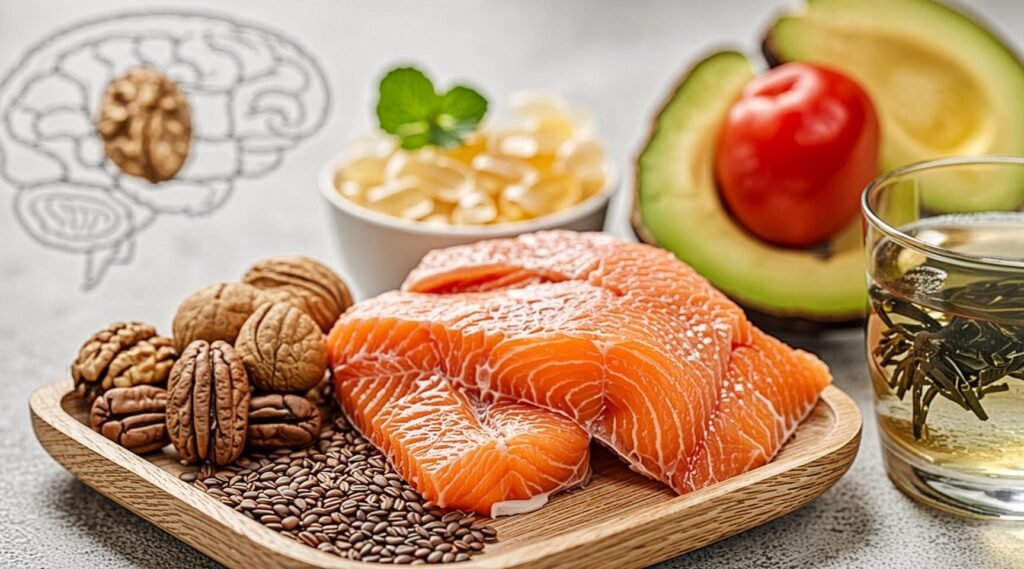
Your brain consists of about 60% fat, and DHA is one of the most essential parts of your brain. If you are not getting enough omega-3 fatty acids, it will hamper your brain function.
Key Benefits for the Brain:
Improves Memory and Concentration
Studies have revealed that DHA is successful in maintaining the communication process between brain cells, which improves concentration and clarity of the mind.
Supports Mood Stability
Lower omega-3 fatty acid levels have been linked to a higher risk of depression and anxiety. Omega-3 fatty acids help in the regulation of serotonin levels in the body.
May Reduce Cognitive Decline
Taking omega-3 fatty acids may lower the risk of memory loss that occurs with aging.
Supports Child Brain Development
Omega-3 fatty acids are essential for pregnant women and children for the proper development of the brain and vision.
By 2026, nutrition experts continue to recommend omega-3 fatty acids as a key nutrient for mental function and healthy aging.
Omega-3 for Heart Health
Heart health is still one of the biggest health issues in the world. A diet rich in omega-3 fatty acids is a very important part of heart health.
How Omega-3 Works for Heart Health:
Triglyceride Levels
Omega-3 works very effectively in lowering high triglyceride levels, which is a huge risk factor for heart health.
Inflammation
Inflammation in the body is a chronic issue that leads to heart issues. Omega-3 works to lower this inflammation.
Blood Pressure
It may also help in maintaining healthy blood pressure.
Healthy Cholesterol Levels
It may cause a slight rise in HDL or “good” cholesterol.
Prevents Irregular Heartbeat
Omega-3 helps to maintain regular heartbeats.
World health organizations have suggested that people consume fatty fish at least twice a week for heart health.
Omega-3 for Beauty & Skin
Beautiful skin begins from the inside out. Omega-3 fatty acids work to support the skin barrier and moisturize the skin.
Beauty Benefits Include:
Deep Skin Hydration
Omega-3 works to improve the lipid barrier of the skin, making it less dry.
Anti-Aging Support
Its anti-inflammatory properties can help to reduce fine lines and skin irritation.
Acne & Redness Reduction
By reducing inflammation, omega-3 can help to reduce acne.
Stronger Hair & Nails
Essential fatty acids work to support hair follicles and promote shine and strength.
Many dermatologists are now recommending a combination of topical skin care and an omega-3-rich diet for beautiful results.
Additional Whole-Body Benefits
Beyond brain, heart, and beauty, omega-3 supports:
- Joint flexibility
- Reduced muscle soreness
- Eye health
- Hormonal balance
- Better sleep quality
- Immune system support
Omega-3 is truly a full-body nutrient.
More Whole Body Benefits
In addition to benefits for the brain, heart, and beauty, omega-3 fatty acids also:
- Promote joint flexibility
- Ease muscle soreness
- Support eye health
- Aid in hormonal balance
- Improve the quality of sleep
- Boost the immune system
- Omega-3 is a full-body nutrient.
Best Food Sources of Omega-3
Here are the best food sources to add to your diet:
- Fatty Fish (EPA & DHA-rich)
- Salmon
- Sardines
- Mackerel
- Tuna
- Anch
Plant Sources (Rich in ALA)
Chia seeds
Flaxseeds
Walnuts
Hemp seeds
Soybeans
Other Healthy Fat Sources
Avocados
Omega-3 enriched eggs
Seaweed & algae (excellent plant source of DHA)
For vegetarians and vegans, algae-derived omega-3 supplements offer direct DHA.
How Much Omega-3 Do You Need?
General guidelines:
Adults: 250-500 mg EPA + DHA combined per day
Pregnant women: 200-300 mg DHA per day
For cardiovascular support: 1,000 mg may be advised (consult a physician)
Eating fatty fish twice a week satisfies the general requirement.
Sample One-Day Omega-3 Meal Plan
Breakfast
Topped Oatmeal with chia seeds and walnuts.
Lunch
Salmon Grilled with quinoa and leafy greens.
Snack
flaxseed powder with Greek yogurt.
Dinner
Tofu with Stir-fried vegetables and sesame seeds
A Simple plan easily boosts omega-3 intake naturally.
Signs You May Be Low in Omega-3
- Dry skin
- Brittle hair
- Brain fog
- Mood swings
- Joint stiffness
- Fatigue
If you notice these symptoms, increasing omega-3 intake may help.
Omega-3 and Inflammation: Why It Matters
Modern diets are often high in omega-6 fatty acids and low in omega-3, leading to imbalance and chronic inflammation.
Balancing your omega-6 to omega-3 ratio is important for:
- Heart health
- Brain performance
- Hormonal balance
- Reduced disease risk
Reducing processed foods and increasing fatty fish intake can restore balance.
Should You Take Supplements?
Food is always the best source. However, supplements are helpful if:
You eat fish very rarely
You are a strict vegetarian
You have high triglycerides
You are pregnant
Check for:
Third-party tested brands
Low heavy metal content
Clear EPA + DHA content
Consult a healthcare professional before taking high doses.
Why It’s More Important Than Ever Omega-3 in 2026:
As the levels of stress, consumption of processed foods, and sedentary lifestyle continue to rise, the incidence of diseases caused by inflammation is also on the increase. Omega-3 is receiving renewed attention because of its role in promoting longevity, mental clarity, and metabolism.
Nutrition experts are now focusing on preventive nutrition, and omega-3 is at the forefront of this movement.
Daily Routine to Maximize Omega-3 Benefits
Eat fatty fish twice a week
Add chia or flax to breakfast
Replace processed snacks with walnuts
Cook with healthier oils
Stay hydrated
Combine omega-3 with regular exercise
Consistency is key.
Conclusion: Small Nutrient, Big Impact
An omega-3 rich diet is one of the simplest and most powerful ways that you can take charge of your health. Whether you are looking to protect your heart and brain, or simply boost your skin and reduce inflammation, the benefits of omega-3 are endless and backed by science.
In a world where diet fads are becoming more and more complicated by the day, omega-3 is a classic, reliable, and powerful option.
Just start small. Add a fatty fish to your plate. Top your salad with chia seeds. Eat whole foods. And watch as small changes make big differences.
Your brain, heart, and skin will thank you.