


Oats & Fiber-Rich Recipes: A Complete Guide to Better Heart Health

Heart disease remains a global health crisis. With poor dietary choices, sedentary lifestyles, and high stress levels contributing to rising LDL cholesterol, protecting your cardiovascular system is more important than ever. But the solution doesn’t have to be complicated. One of the most powerful steps you can take is simple: add oats and fiber-rich foods to your daily plate.
Table Of Content
- Why Oats & Fiber Are Powerful for Heart Health
- Lowers LDL (Bad Cholesterol)
- Improves Digestion & Gut Health
- Stabilizes Blood Sugar
- Aids in Weight Management
- Reduces Chronic Inflammation
- 5 Heart-Healthy Oats & Fiber-Rich Recipes
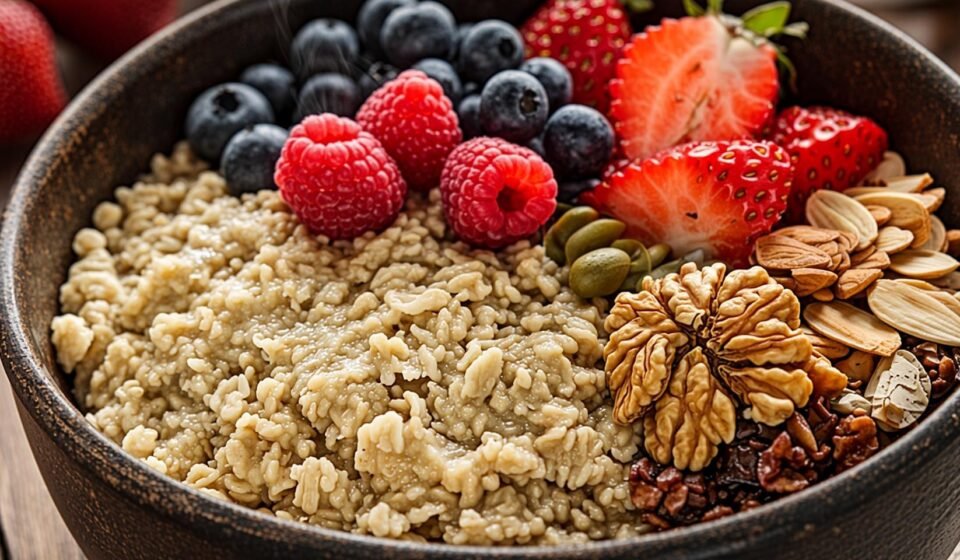
- Classic Heart-Healthy Oatmeal Bowl
- Savory Vegetable Oats (Healthy Nepali Style)
- Overnight Oats with Flax seeds
- Oats & Lentil Pancakes
- High-Fiber Green Smoothie
- Healthy Daily Routine for a Stronger Heart
- Morning
- Lunch
- Evening
- Night
- Positive Changes You Will Notice
- Daily Fiber Intake Guide
- Common Mistakes to Avoid
- Conclusion
Oats are celebrated as a cardiovascular “superfood” due to their high soluble fiber content, specifically beta-glucan, which actively works to lower bad cholesterol. When paired with fruits, vegetables, and seeds, they form the ultimate foundation for a heart-protective diet.
In this guide, we uncover the science behind oats, share delicious recipes, and outline a daily routine to strengthen your heart.
Why Oats & Fiber Are Powerful for Heart Health
Adding a bowl of oats to your morning routine offers benefits that go beyond just filling your stomach. Here is why fiber is your heart’s best friend:
Lowers LDL (Bad Cholesterol)
The star player in oats is beta-glucan. This soluble fiber turns into a gel-like substance during digestion, binding to cholesterol in the gut and removing it from the body before it enters your bloodstream. Studies confirm that regular oat consumption can significantly reduce LDL levels.
Improves Digestion & Gut Health
A healthy gut is linked to a healthy heart. Fiber prevents constipation and reduces systemic inflammation, a known contributor to cardiovascular disease.
Stabilizes Blood Sugar
Fiber slows the absorption of sugar, preventing dangerous spikes and crashes. Stable blood sugar reduces the risk of insulin resistance and subsequent heart strain.
Aids in Weight Management
Excess weight puts added pressure on the heart. Fiber-rich foods increase satiety, keeping you full longer and curbing unhealthy cravings, which supports natural weight loss.
Reduces Chronic Inflammation
Whole grains and fiber are packed with antioxidants that combat internal inflammation, protecting your arteries and heart tissues from damage.
5 Heart-Healthy Oats & Fiber-Rich Recipes
Eating healthy doesn’t have to be boring. Here are five easy ways to incorporate oats into your diet.
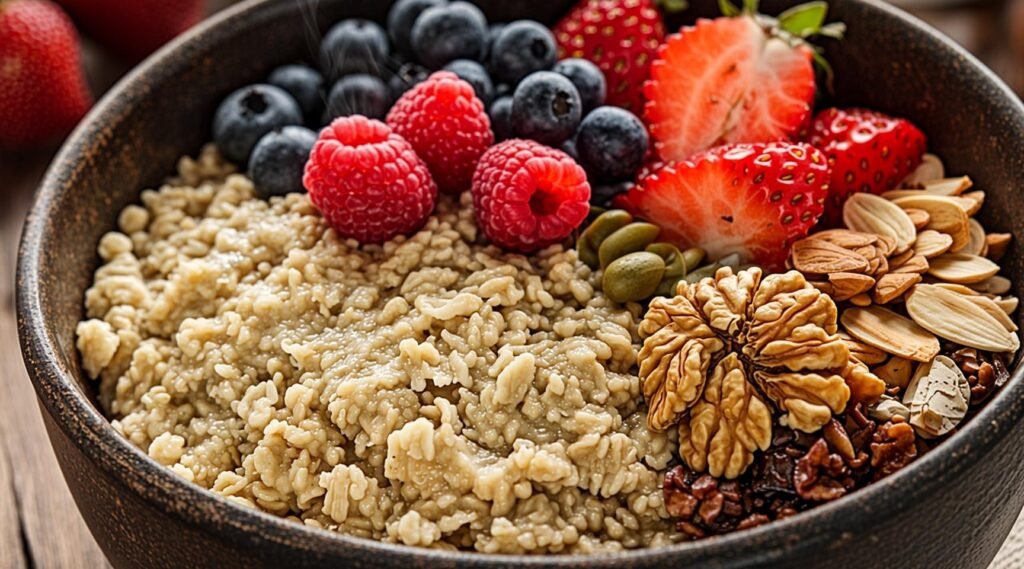
Classic Heart-Healthy Oatmeal Bowl
A perfect start to the day.
Ingredients:
- ½ cup rolled oats
- 1 cup water or low-fat milk
- 1 tbsp chia seeds
- 5–6 chopped almonds
- ½ sliced banana
- A dash of cinnamon
Why it works: Rich in soluble fiber and omega-3, this bowl actively supports cholesterol reduction.
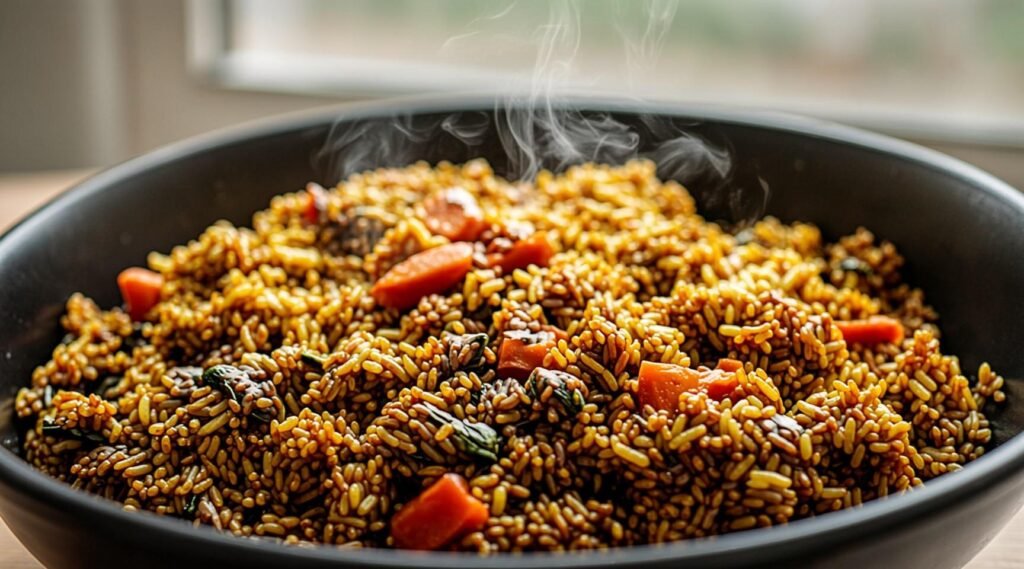
Savory Vegetable Oats (Healthy Nepali Style)
A light, spiced alternative for those who prefer savory breakfasts.
Ingredients:
- ½ cup oats
- Mixed vegetables (carrots, peas, spinach)
- Garlic & ginger paste
- 1 tsp olive oil
- Turmeric & black pepper
Why it works: This version minimizes oil intake while leveraging turmeric’s anti-inflammatory properties to protect the heart.
Overnight Oats with Flax seeds
Meal prep made easy.
Ingredients:
- ½ cup oats
- 1 cup almond milk
- 1 tbsp flax seeds
- Fresh berries or apple slices
Why it works: Flax seeds add a boost of plant-based omega-3 fatty acids, known to lower blood pressure and triglycerides.
Oats & Lentil Pancakes
A protein-packed twist on a classic.
Ingredients:
- Oats flour
- Lentil paste
- Chopped onions and coriander
- Minimal olive oil for cooking
Why it works: Combining oats with lentils creates a powerful duo of fiber and plant protein, essential for heart muscle repair.
High-Fiber Green Smoothie
For those busy mornings.
Ingredients:
- 2 tbsp oats
- Handful of spinach
- 1 banana
- 1 tsp chia seeds
- Water or almond milk
Why it works: This smoothie boosts digestion and provides sustained energy without heavy fats.
Healthy Daily Routine for a Stronger Heart
Diet is only half the battle. Incorporate these habits into your daily schedule for maximum impact.
Morning
- Hydrate: Start with a glass of warm water and lemon to kickstart metabolism.
- Move: Commit to 20–30 minutes of brisk walking.
- Fuel: Eat a fiber-rich breakfast (choose one of the oat recipes above).
Lunch
- Base: Opt for whole grains like brown rice or millet instead of white rice.
- Greens: Ensure half your plate is green vegetables.
- Protein: Include legumes or lentils for plant-based protein.
Evening
- Snack Smart: Choose fruits or a handful of unsalted nuts.
- Avoid: Steer clear of fried snacks and processed foods.
Night
- Dine Early: Eat a light dinner at least 2–3 hours before bed.
- Rest: Prioritize 7–8 hours of quality sleep to allow the body to repair.
Positive Changes You Will Notice
Consistency is key. After 4–8 weeks of a fiber-rich diet, you may observe:
- Improved Lipid Profile: Blood tests often show lower LDL and higher HDL (good cholesterol).
- Better Digestion: Reduced bloating and regular bowel movements.
- Healthy Weight Loss: Gradual reduction in body fat, particularly around the midsection.
- Stable Energy: Elimination of afternoon energy crashes.
- Regulated Blood Pressure: Natural improvement in hypertension levels.
Daily Fiber Intake Guide
Are you getting enough? The general recommendations are:
- Men: 30–38 grams per day
- Women: 21–25 grams per day
Pro Tip: One bowl of oats provides roughly 4 grams of fiber. To meet your daily goal, top your oats with fruits, seeds, and pair them with a fiber-rich lunch.
Common Mistakes to Avoid
Even healthy foods can be sabotaged by poor preparation. Avoid these pitfalls:
- Adding Too Much Sugar: Drowning oats in sugar negates their heart benefits. Use fruits for sweetness instead.
- Using Instant Flavored Oats: These often contain hidden sodium and high sugar levels. Stick to plain rolled or steel-cut oats.
- Ignoring Exercise: Diet and movement work together. You cannot out-eat a sedentary lifestyle.
- Inconsistency: A heart-healthy diet is a lifestyle, not a one-week fix.
Conclusion
Oats and fiber-rich foods are simple, affordable, and scientifically proven to protect your heart. By lowering LDL cholesterol, stabilizing blood sugar, and aiding in weight management, they offer a holistic approach to cardiovascular wellness.
You don’t need expensive supplements or drastic measures. Start with a simple bowl of oats in the morning, prioritize whole foods throughout the day, and stay active. Small daily changes today lead to a stronger heart tomorrow.
Your heart works 24/7 for you—it’s time to fuel it right